Operations List
The vessel "ADONIS SEA" sunk due to fire near the Agistri Island. TSAVLIRIS dispatched tugs "HERMES" and "ATLAS" to proceed with recovery operations. The vessel was then towed to Piraeus.
TSAVLIRIS powerful tug MEGAS ALEXANDROS" towed the Motor Tanker "GAS HORIZON" from Pylos to Piraeus.
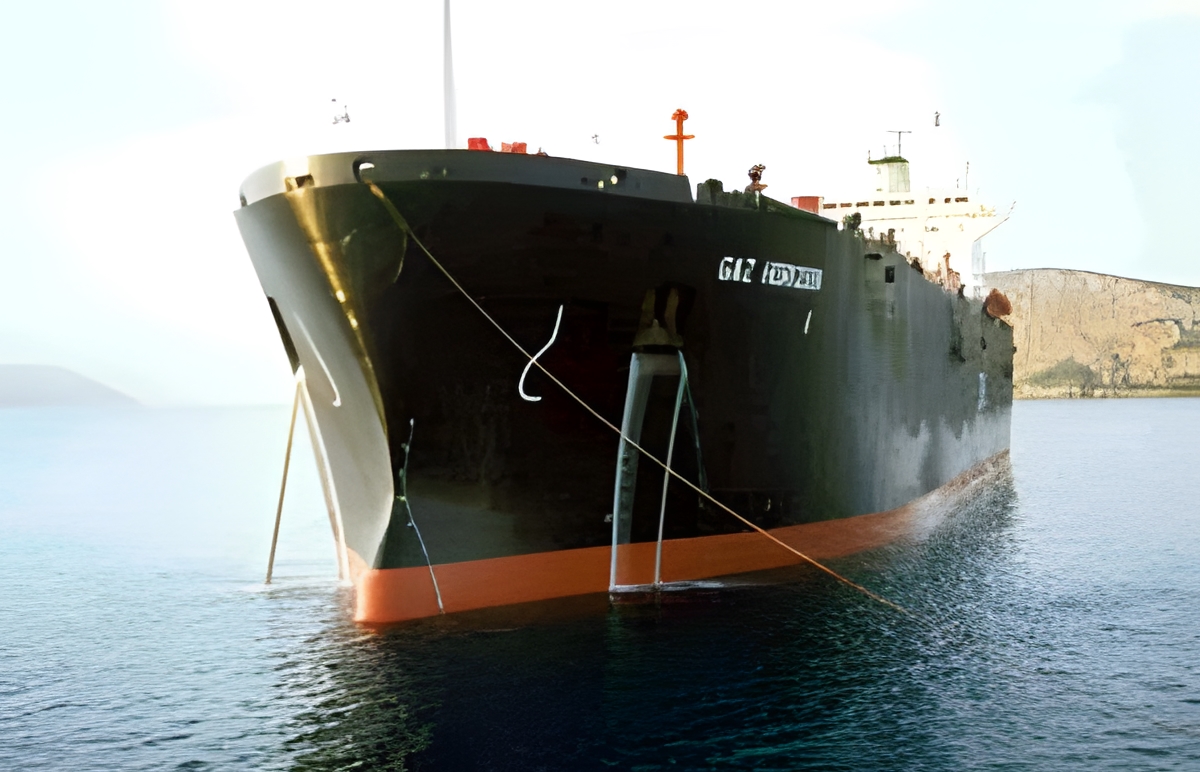
The vessel "CASTOR" was on a laden voyage carrying a cargo of 39,000 mt of unleaded gasoline from Costanza to Lagos, Nigeria. On 31st December, during storm weather, the vessel developed a 20-meter crack in her main deck in way of cargo tanks No4. Her position at the time was off the Moroccan Coast. Morocco ordered the ship to stay 40 miles away from their coast.
On the 3rd of January 2001 the ship owners contacted TSAVLIRIS for assistance and a LOF was signed the same day. TSAVLIRIS, having the very large salvage tug "NIKOLAY CHIKER" in the area instructed her to proceed full speed in order to meet the M/T "CASTOR". Following the instructions of the Moroccan Authorities "NIKOLAY CHIKER" escorted/towed the vessel by stern 40 miles off the coast of Morocco. Next day, on the 4th of January, tug and tow entered Spanish responsibility SAR area in order to seek some shelter to restore the vessel to a more or less safe condition. After inspection of the casualty by the Spanish Authorities, the crew was instructed to abandon the vessel, and the Spanish Authorities ordered the convoy to maintain a minimum distance of 30nm from the Spanish coast. The same policy was also maintained by the Gibraltar Authorities.
On the same day, the 4th of January, TSAVLIRIS time-chartered the Spanish salvage tug "GOLFO DE BENGALA" to proceed from Cartagena to assist the "NIKOLAY CHIKER", while TSAVLIRIS salvage tug "MEGAS ALEXANDROS" was fully loaded with salvage equipment and sailed from Piraeus to meet the "CASTOR", followed a few days later by the company's salvage tug "ATLAS".
Salvage teams and equipment were also mobilized right away from Greece and Holland to attend the casualty, consisting of a salvage master, salvage officer, salvage engineer, marine chemist, engineers, electricians and salvage assistants. The team was placed onboard the casualty, and on the 8th of January managed to seal the crack with a combination of polyurethane foam and silicon paste so as to create an elastic sealing on the crack and to prevent the tank from "breathing". Gas concentrations were continuously monitored by the chemist and a few days later, two inert gas installations were placed on board the ship and the vapor spaces of all tanks were inerted to eliminate the danger of explosion. The salvage team prepared a plan for an STS operation to discharge the vessel, supported by 135 pages of salvage plans and supporting calculations, which were agreed to by the Salvage Association and ABS. However, the technical merits of such plan were never discussed by coastal states, which, on purely political grounds, refused the operation to be performed within their 30-mile limit. After refusal coming from Spain, Gibraltar, Morocco, Malta and Algeria, it was decided that the operation will take place in the open sea and the two lightering tankers, namely the "YAPI" (30,000 dwt) and the "GIOVANNA" (6,500 dwt) were hired by the salvor to join the convoy.
The flotilla faced severe weather conditions of up to Force 12 winds until, on the 21st January, in a break of good weather the M/T "GIOVANNA" managed to make fast alongside the M/T "CASTOR" and on 22nd of January around noon the whole cargo of No4 damaged tanks had been transferred from "CASTOR" to the "GIOVANNA". This eliminated the danger of pollution, fire or explosion and brought the "CASTOR" to a load condition such that the deck plating was kept in compression in way of the crack to remove stresses and avert further damage.
Meteorological information from the meteo office, which provided weather routing to the operation, indicated that strong southwesterly airflows were to be expected for a prolonged period in the area. Not being able to find shelter off the Spanish coast, and faced with gale force winds, the convoy (six vessels) was forced to head east in hope of finding better sea conditions for the maximum of three days of good weather required to complete the operation.
After a towage of more than 2,000 miles around the western Med, the operation reached an end on the 6th of February, when the "Yapi" finally managed to moor alongside the "CASTOR" and begin the STS operation to lighten the damaged vessel. Using a sophisticated discharge plan, the salvage team managed to empty the casualty's tanks from cargo, and ballast the vessel so as to minimize stresses on the damaged area. The STS operation was over on the 8th of February. The casualty's tanks were then inerted, shaft and rudder secured, and the vessel was subsequently towed to Piraeus Roads as dead ship by the "MEGAS ALEXANDROS", where she arrived on February 14th. The cargo onboard the "GIOVANNA" was transferred to the "YAPI" using the Marsaxlokk shore facilities in Malta, and the "YAPI" resumed the "CASTOR's" voyage.
Certificate of Safe Delivery was signed on February 20,2001.
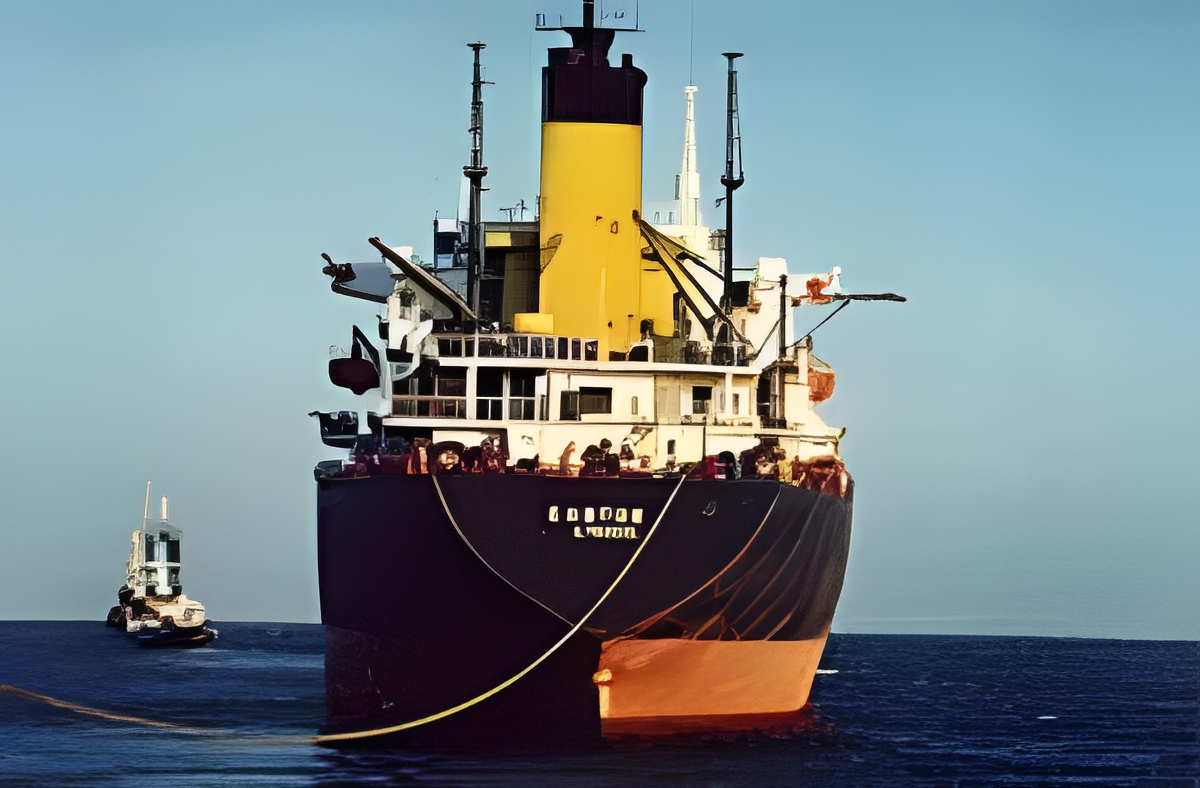
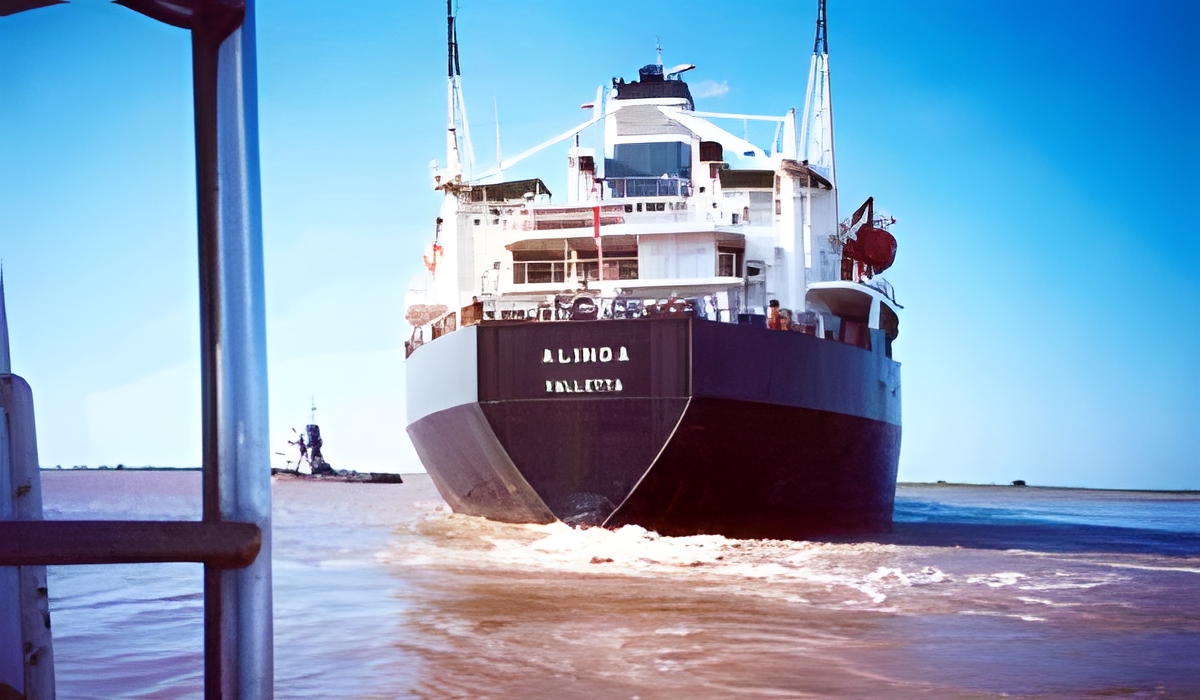
The 28.310 dwt Bulk Carrier "ALINDA", while on laden voyage from San Martin, Argentina to Matarani, Peru, with a cargo of 26336 m/t wheat, ran aground at position 375 km of rever Panama close to Villa Constitution Argentina.
After succesfully refloating the vessel, it was delivered safely on 1/8/01.
TSAVLIRIS' tug "HERMES" owed Motor Vessel "ORION II" to Kylini port.
The 31.000 dwt Bulk Carrier "DORA", while on a laden trip from Venezuel to Russia, with a cargo of 25500 tons of alumina, grounded at 36,5 mile River Orinoco, Venezuela.
The vessel was succesfully refloated and delivered to Orinoco anchorage on 11/01/01.
TSAVLIRIS' tug "SB- 408" towed Motor Vessel "CAPTAIN YANNIS L" from Vishakhapatnam to Chittagong.
On the 24th of January, the 18,000 dwt Motor Vessel "STAR ADMIRAL", laden with 11000 tons of general cargo,at about 458 NM from Azores encountered water ingress in Hold No3, facing also heavy list due to cargo shifting. Crew abandoned the vessel and hoisted onboard the "TEAM VENUS".
TSAVLIRIS' S/T "FOTIY KRYLOV" sailed to assist the abandoned Motor Vessel "STAR ADMIRAL". While searching for the casualty - it was also hired a plane in order to effect air searching- the vessel sunk.
On January the 27th the "FOTIY KRYLOV" was instructed to return to her base.
TSAVLIRIS tug "ATLAS" towed Motor Vessel "BASS" from Lefkadi to Piraeus.
The 24,350 dwt Motor Vessel "CAPTAIN YANNIS L", while on a laden voyage from Richards Bay to Haldia India, with a cargo of 17,988 mt rock phosphate, immobilized at Mozambique Channel (about 300 M East of Beira port) due to mechanical failure.
On 1/5/01 the vessel was refloated and towed to Vishakhapatnam.
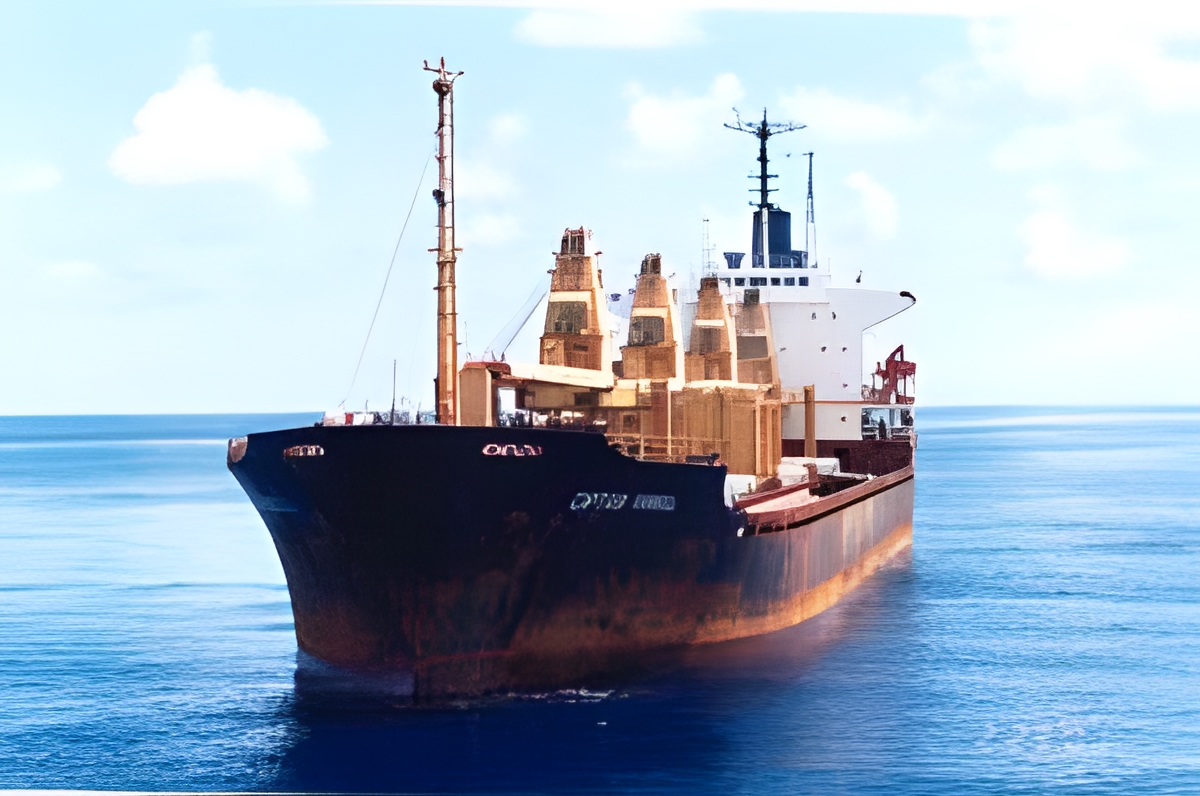
TSAVLIRIS' most powerful tug "NIKOLAY CHIKER" towed the Motor Vessel "OSTERHUSEN" from Falmouth to Brest, France.
Motor Vessel "STAMATINA P", fully laden with timber, was immobilized due to main engine problem about 100 nm east of Madeirain the Atlantic Ocean.
TSAVLIRIS' S/T "FOTIY KRYLOV" was dispatched and Motor Vessel "STAMATINA P" was delivered at Leixoes on 16/04/2001.
TSAVLIRIS' "MEGAS ALEXANDROS" towed the Motor Vessel "SEA DREAM" from Piraeus to Alexandria and then back to Piraeus.
On the 23rd of April, 1,000 dwt Motor Vessel "MAKEDONIA I" laden with 1593 cubic meters of timber, developed a dangerous list at 102 nm off Rhodes island due to strong winds. All nine members of the crew abandoned the vessel and boarded on a life raft. All vessel crew was rescued.
S/T "MEGAS ALEXANDROS" sailed to assist the abandoned Motor Vessel "MAKEDONIA I", which was successfully towed to Limassol.
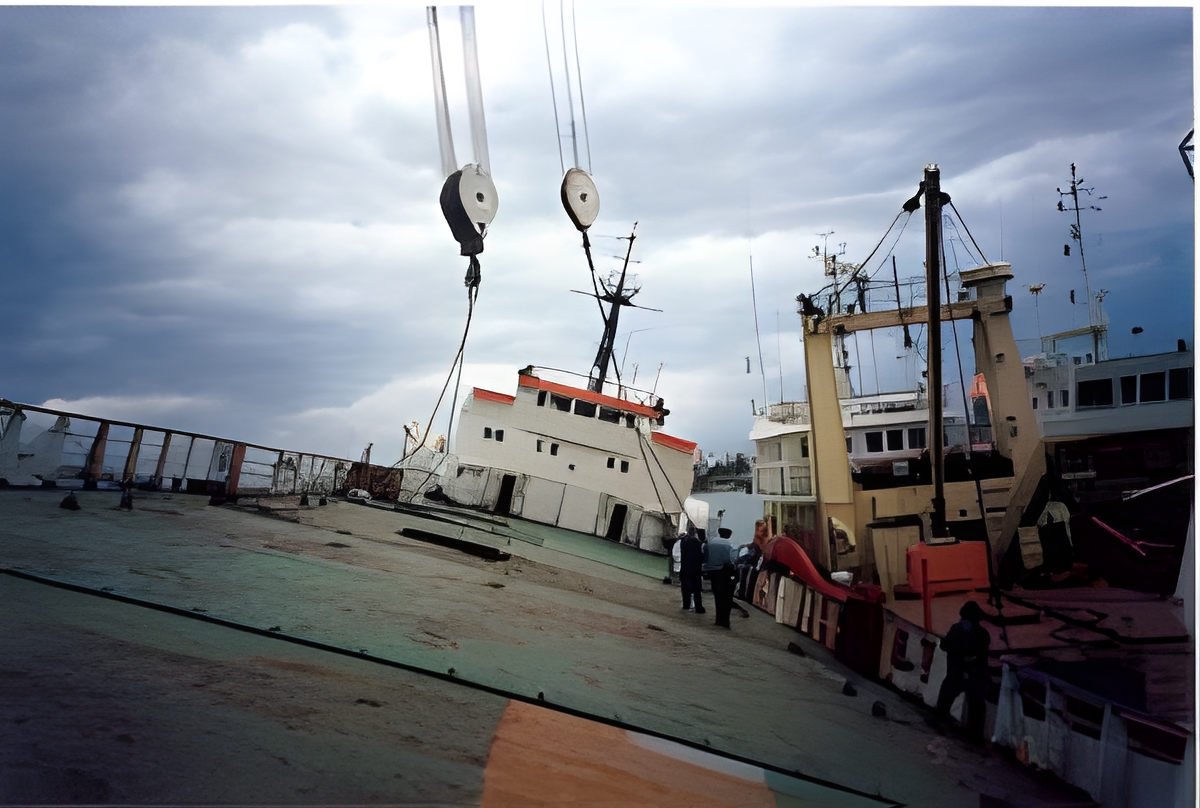
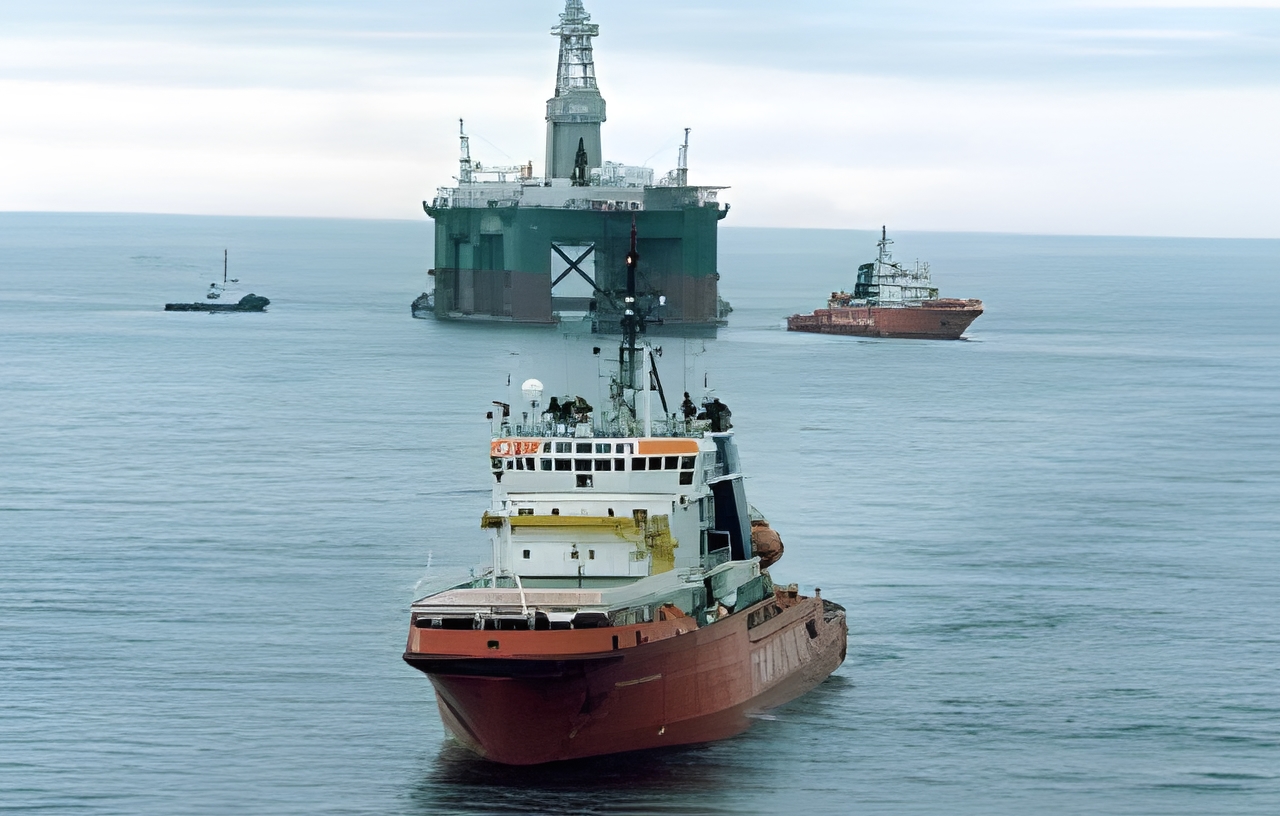
In summer 2001, the group successfully completed a 16-day tow of Ocean Rig's brand new, semi-submersible drilling rig "EIRIK RAUDE" from Pascagoura, Mississippi to Halifax, Nova Scotia.
The operation also marked the first time that the TSAVLIRIS-operated pair of 40,000 hp salvage tugs "FOTIY KRYLOV" and "NIKOLAY CHIKER", the world's most powerful units, had worked side by side.