Operations List
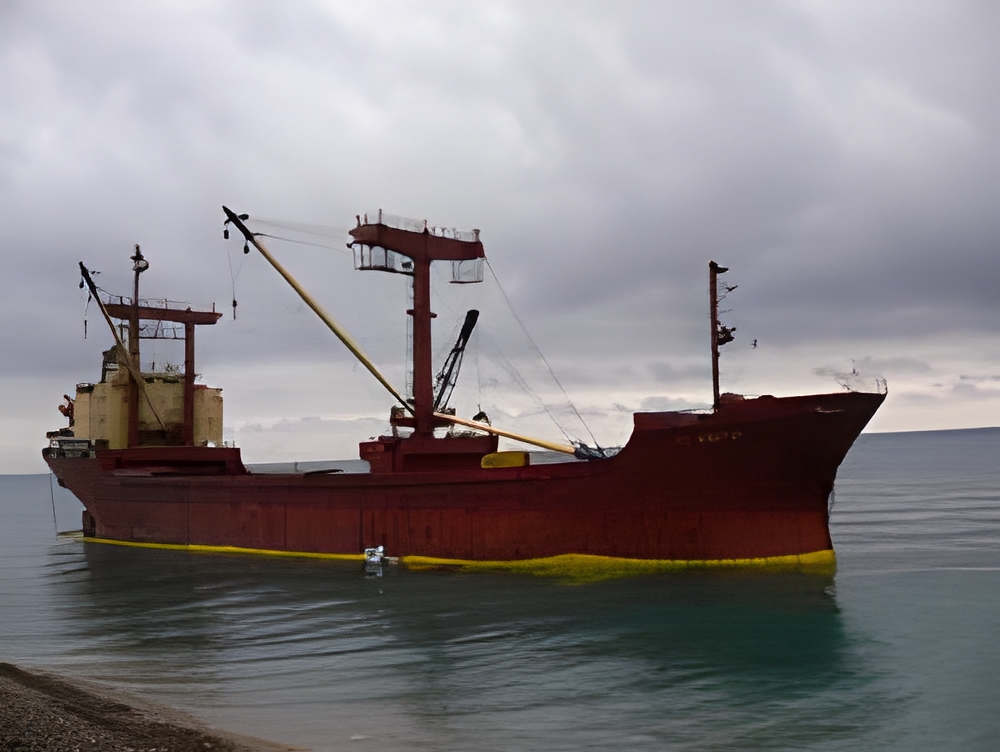
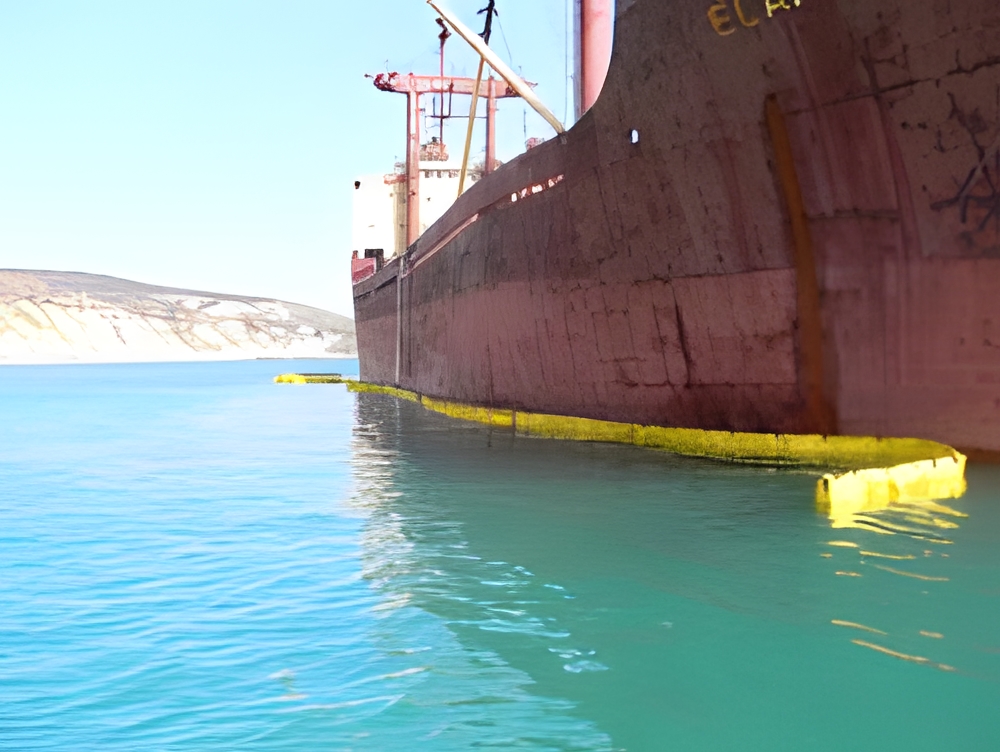
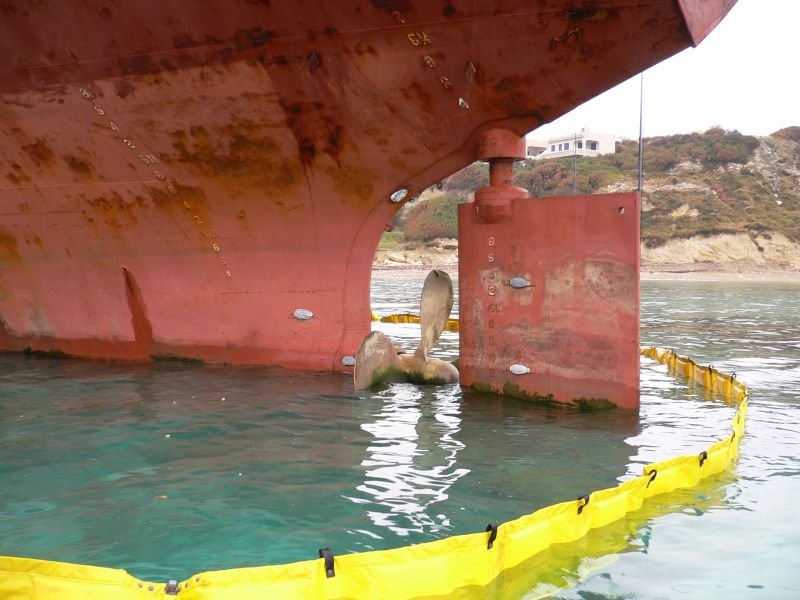
Τhe 5112 dwt General cargo "ELANTA",while en route from Morocco to Turkey, loaded with 1789 tonnes of scrap iron , grounded 30 meters –due to severe weather conditions- from the coast of Cape Megalos Lamnionas ,SE Chios island. Prevailing weather at that time was storm F10, South winds, 7 meter waves. On board 18 crew-members, who were all in good health! No ingress of water was reported.
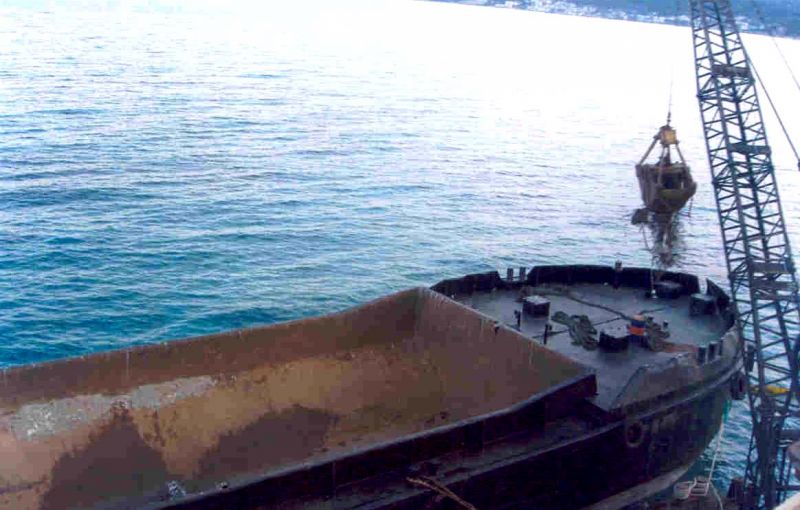
Under LOF agreement (SCOPIC invoked) on February 15th, TSAVLIRIS dispatched subcontracted tug "ATLAS" - with one diver and anti pollution equipment onboard- and was standby to sail from Piraeus at first opportunity (weather permitting). Due to extremely severe weather conditions the salvage master and the diver flew to Chios and arrived on the same day afternoon, but were unable to get onboard the casualty. Tug "ATLAS" arrived on February 17th. One floating Crane and three dumb barges were mobilized from Piraeus with the assistance of three tugs. All pumpable bunkers were removed from the casualty prior to any lightering or refloating efforts to minimize the danger of pollution.
Approximately, 1000 tons of cargo were discharged and the vessel was successfully refloated on March 5th after various pulling combinations performed by three tugs. The casualty and barges were taken under tow to destination Nemrut Bay, Turkey for delivery of the cargo to recipients. Convoy arrived at March 10th.
The 35.584 dwt vessel "RADWAN", laden with 33.500 mts of vegetable oil ,while on a voyage from Brazil to Bandar Abbas, was immobilized due to main engine failure approximately 500 miles from Cape Town.
S/T "NIKOLAY CHIKER" was dispatched from Cape Town on January 29th to assist the casaulty.The tug arrived at the site the next day at noon and towed her back to the port of Cape Town on February 4th.
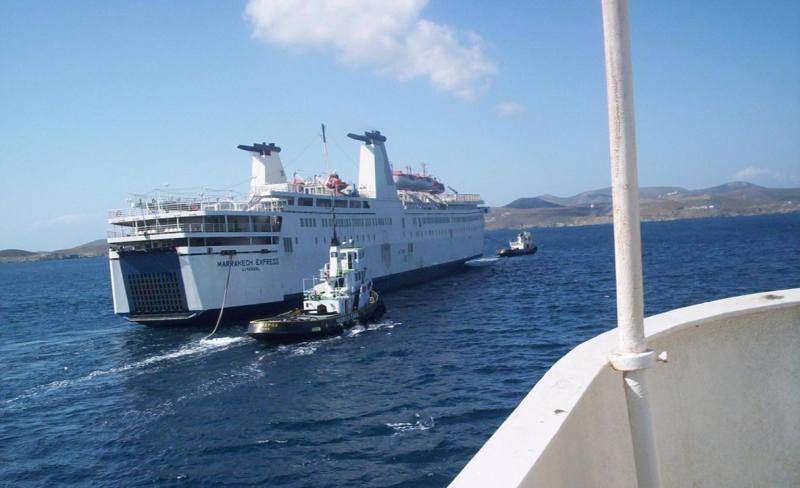
Tsavliris tug "MEGAS ALEXANDROS" sailed from Piraeus to Limassol, Cyprus to tow M/V "MARRAKECH EXPRESS". The vessel was safely deliverd to Syros island on April 18th.
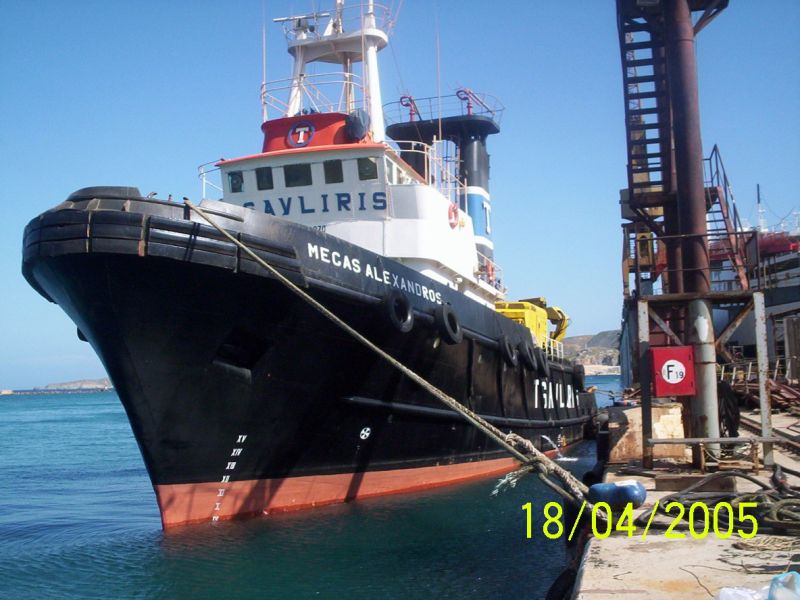
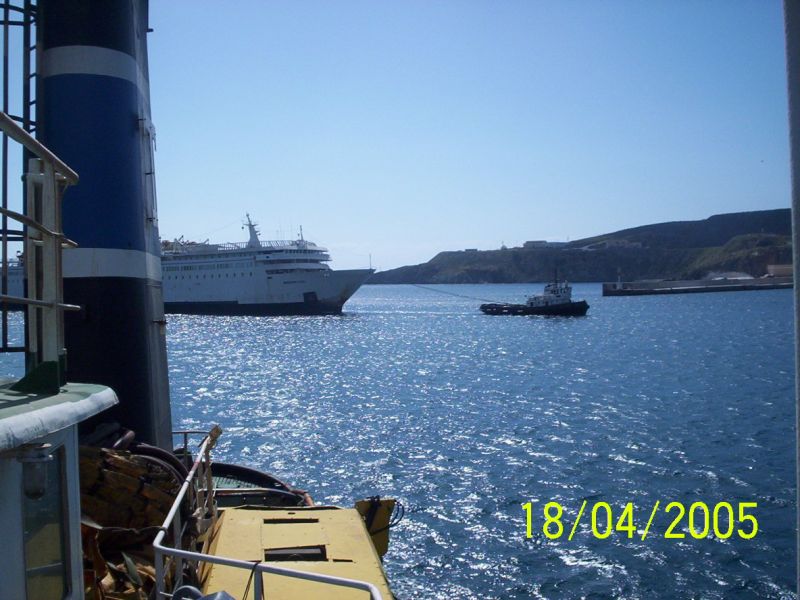
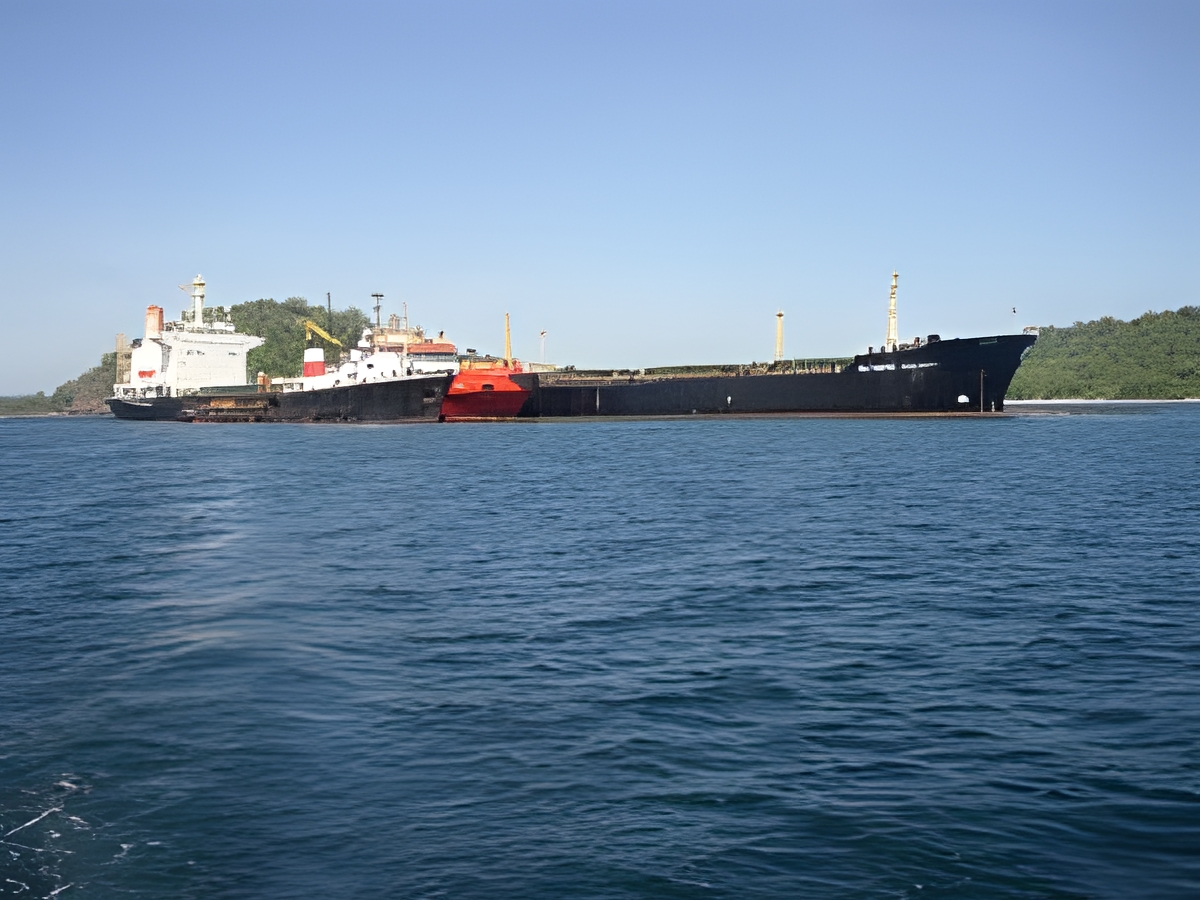
Bulk carrier "DIA P" loaded with 31.000 tonnes of Sonya beans and maize stranded near Tartous Port Breakwater on January 23rd. The vessel was en route from San Lorenzo to Tartous Syria. After obtaining LOF on January 25th, TSAVLIRIS tug "MEGAS ALEXANDROS" - together with a salvage master and divers on board sailed the next day .The tug was fully loaded with salvage equipment including crabs, yokohama fenders, electric submersible pumps, hoses etc.
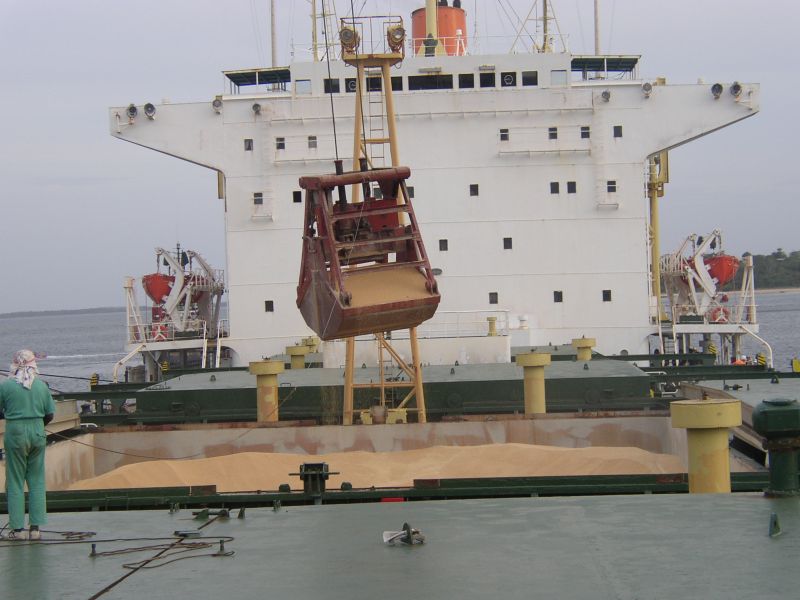
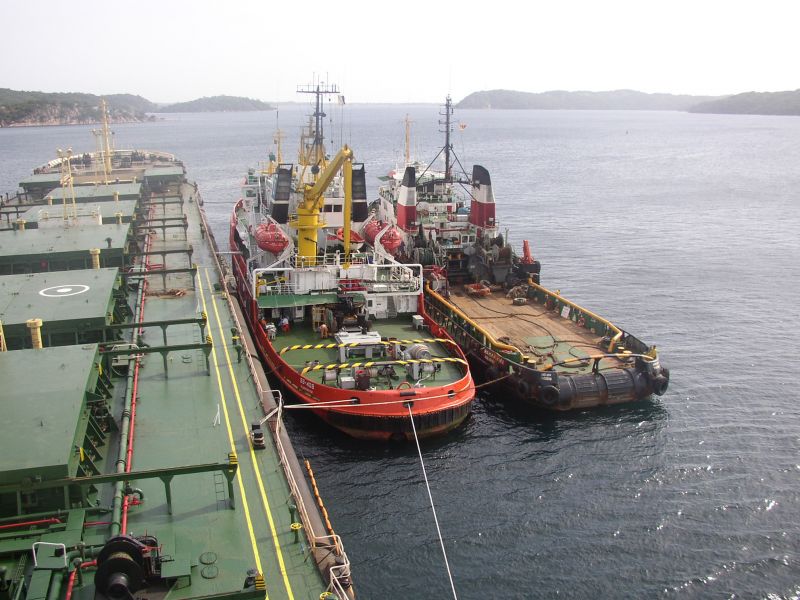
"MEGAS ALEXANDROS" voyage was interrupted several times due to bad weather and was forced to seek shelter; when she finally arrived at the casualty site in bad weather on January 31st, one crewmember injured while boarding on the casualty and was repatriated. One geared and two gearless vessels were used for lightening approximately 8.000 mt of maize in order to refloat the ship, with a combination of grabs and vacuvators. More specifically, suitable grabs and two vacuvator were dispatched for this purpose. The lightening operation was interrupted / delayed on numerous occasions due to bad weather prevailing throughout the operation and the fact that the casualty offered no lee side.
On February 27, a second tug was brought in the 3.000 hp Kerveros ,which was hired to assist in the salvage operation and performed tasks such as scouring. On completion of the lightening operation and with a combination of scouring and pulling the vessel was successfully refloated on March 7th.
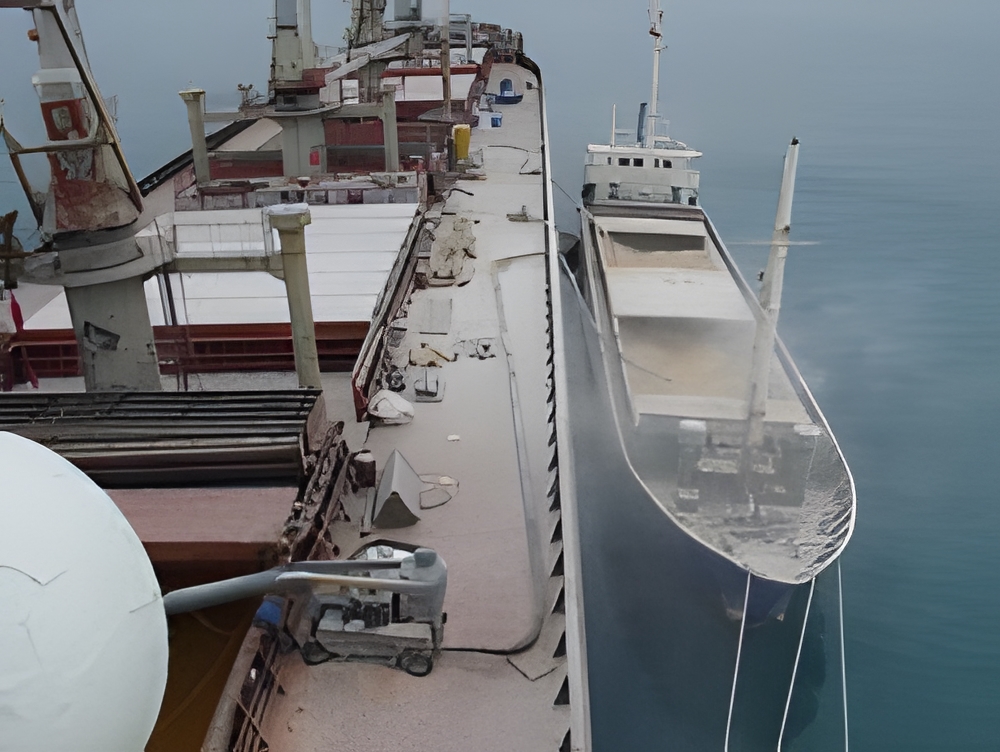
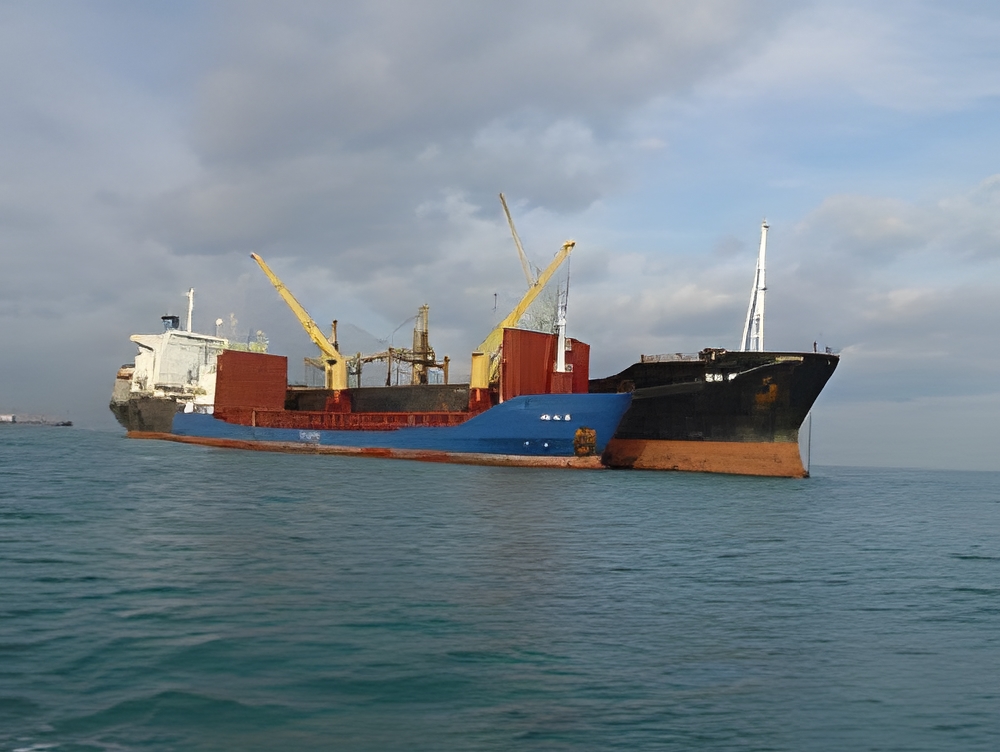
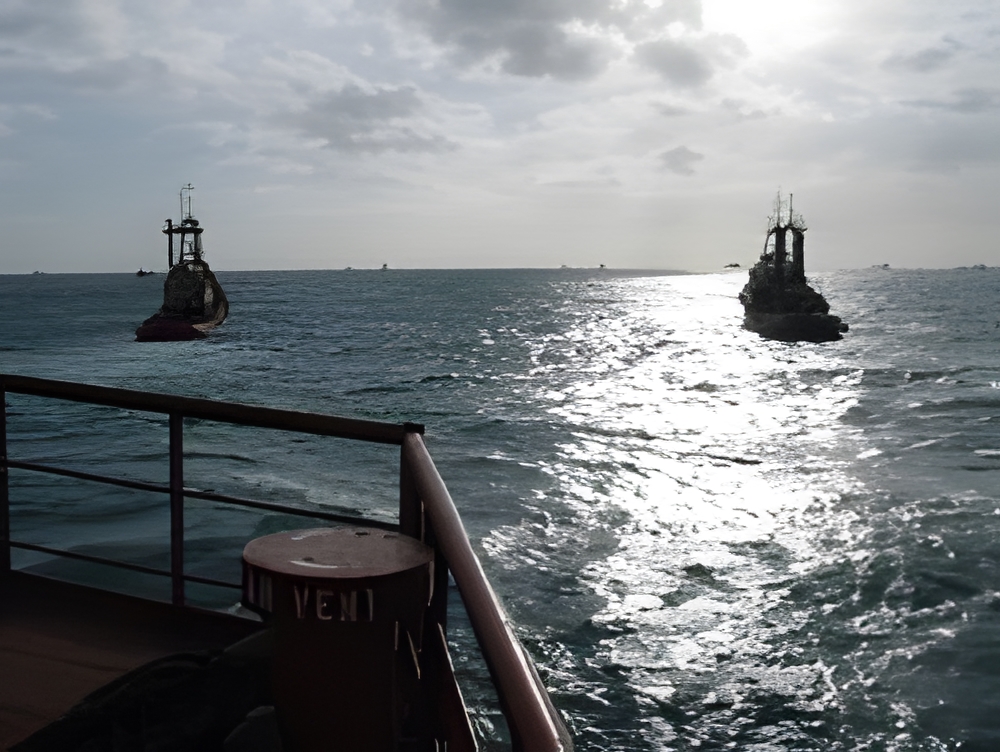
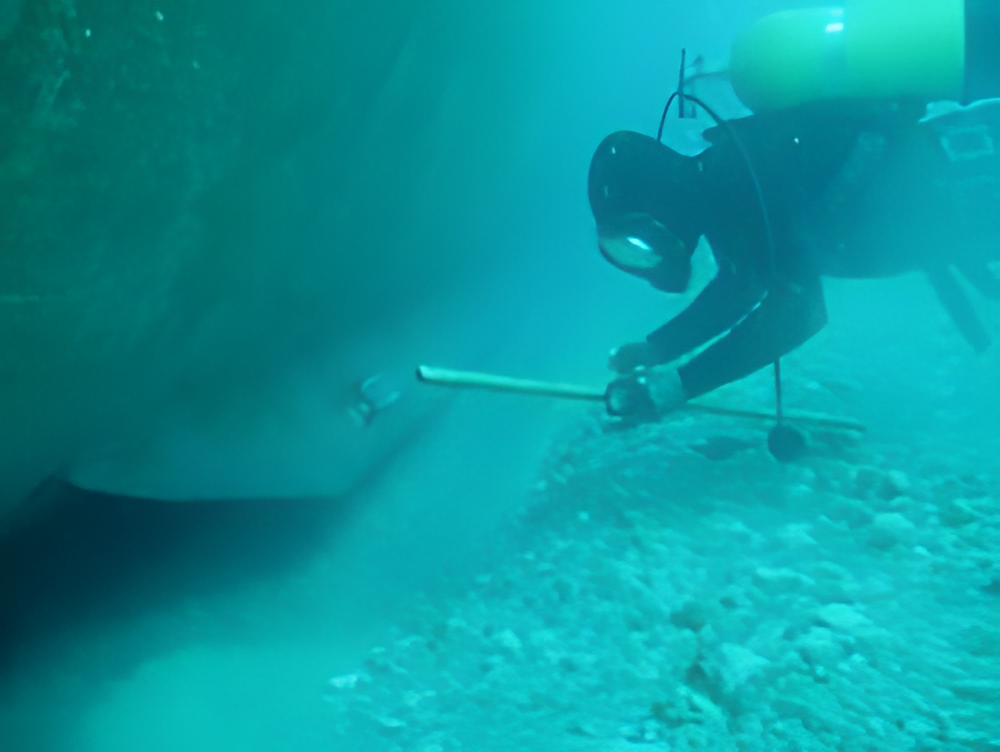
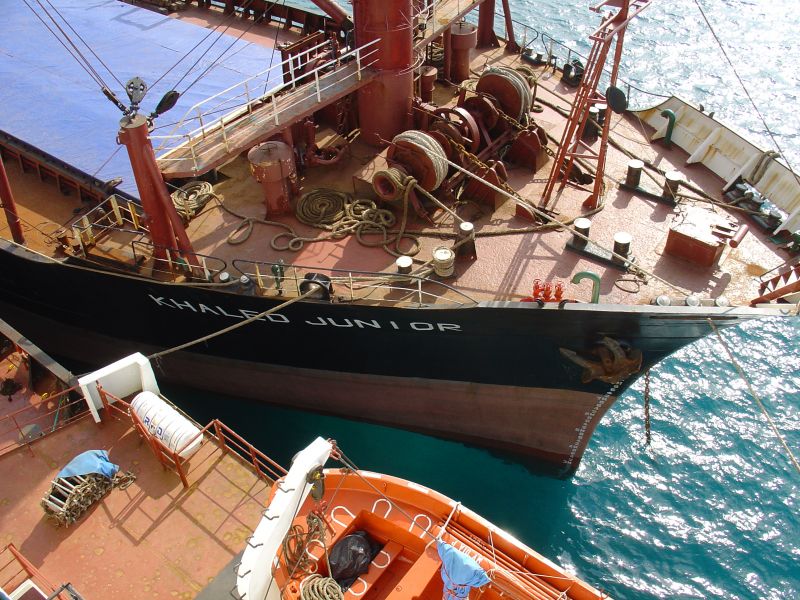
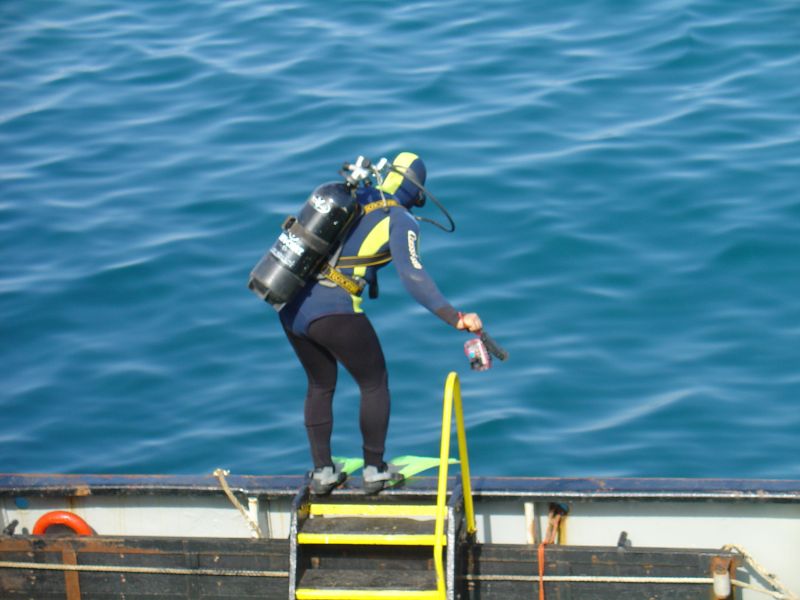
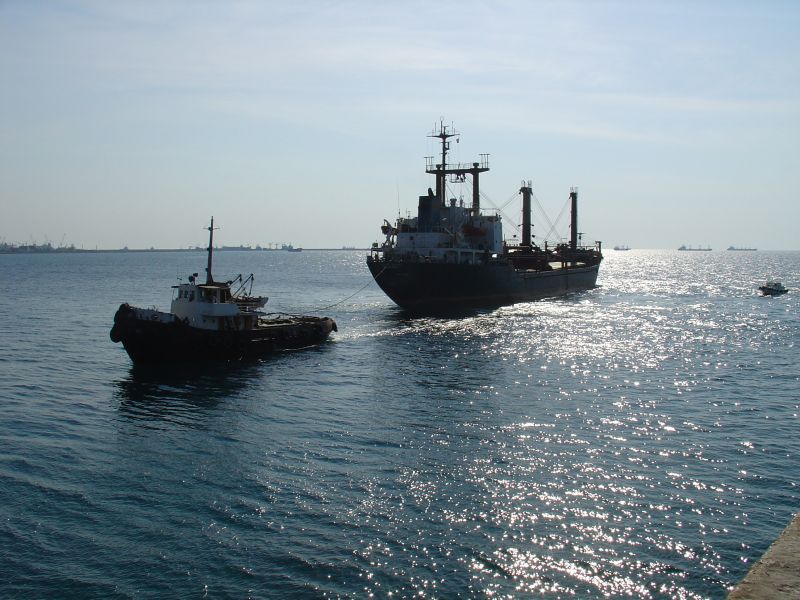
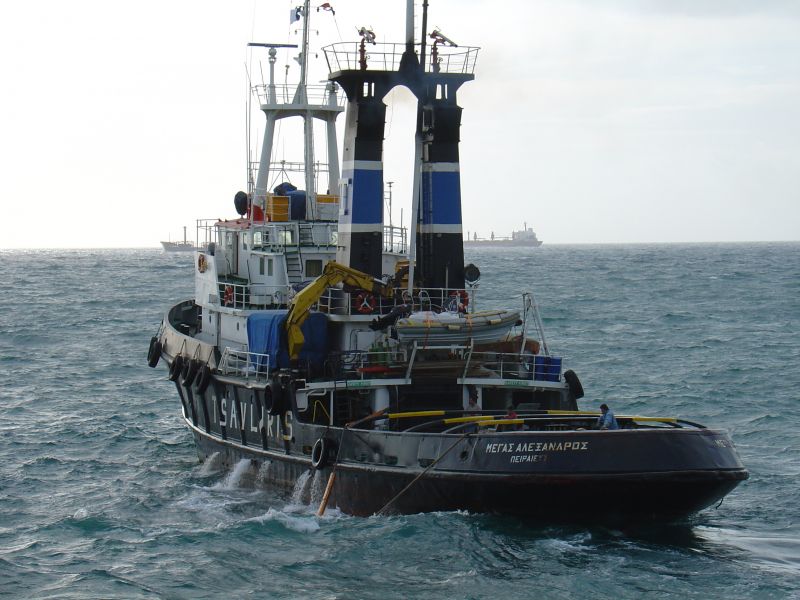
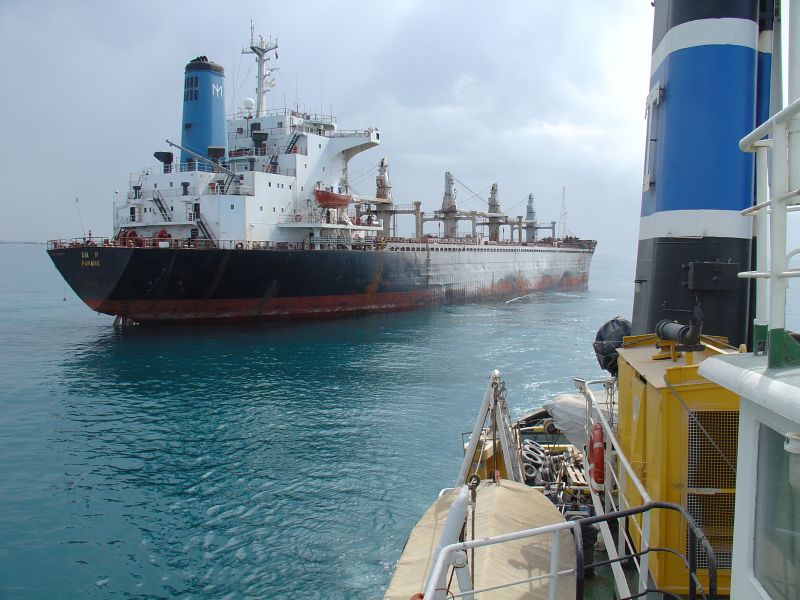
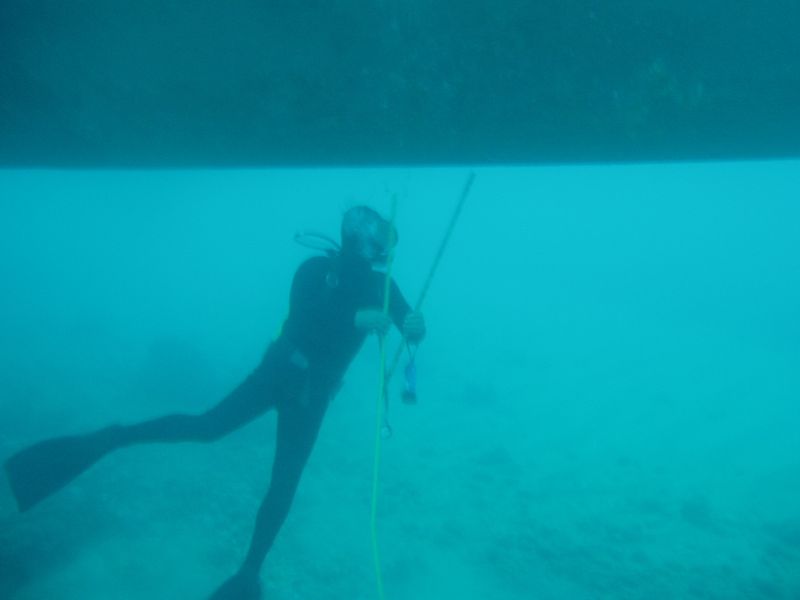
TSAVLIRIS operated salvage tug "FOTIY KRYLOV" was engaged to tow the bulk carrier "MANI P" from Las Palmas to Lorient.
The 7.074 dwt chemical tanker "ECO PRINCESS" in ballast ,became immobilized about 350 miles NE of Cape Verde Islands .TSAVLIRIS -under LOF agreement - dispatched S/T "LEOPARD" from Mindello and the casualty was taken under tow, arriving at Dakar Roads on January 16th .
On January 7th, the 14.000 dwt container vessel "GILIAN" suffered an engine room explosion and was immobilized off Tanjung Pandan, at position approximately 340 miles SE of Singapore. "GILIAN" was on a laden voyage of 300 containers from Jakarta to Singapore. TSAVLIRIS - under LOF agreement - immediately mobilized a salvage master and the subcontracted S/T "SEABULK CARROLL" from Singapore to tow the casaulty.
The vessel was safely delivered on January 12th at Singapore Boarding Ground B.
"NIKOLAY CHIKER" and tug "DE DA" towed a floating production (FPSO) vessel, "SANHA" from Cape Town to its offshore station at Cabinda Angola, assisting with positioning.
On 6th of October, Tsavliris dispatched S/T "LEOPARD" to assist the Derrick Barge "DLB-1" which started sinking off Dakar, while under tow by the tug "Colbert".
TSAVLIRIS engaged in patching and dewatering services on commercial terms.
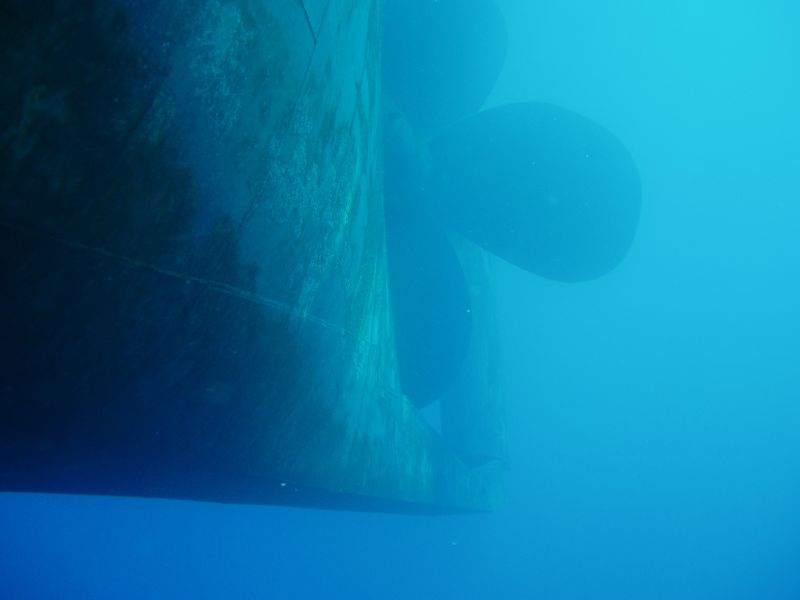
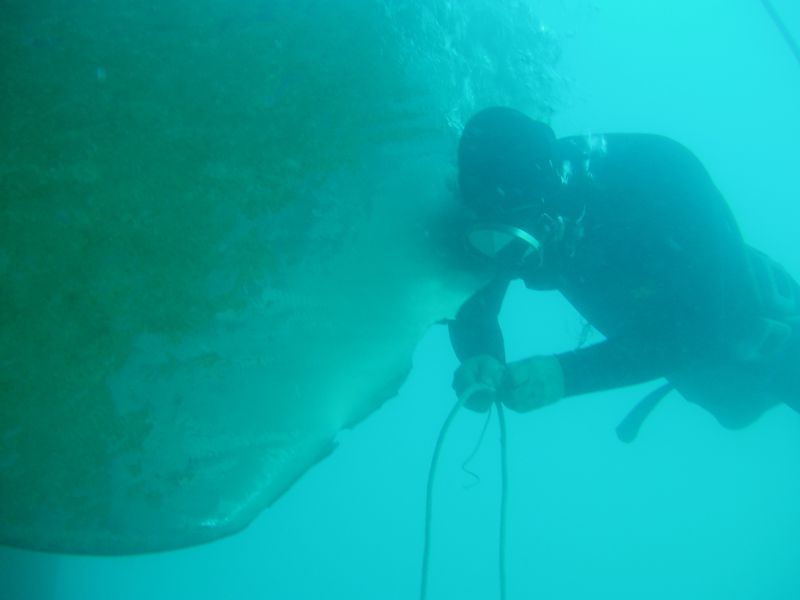
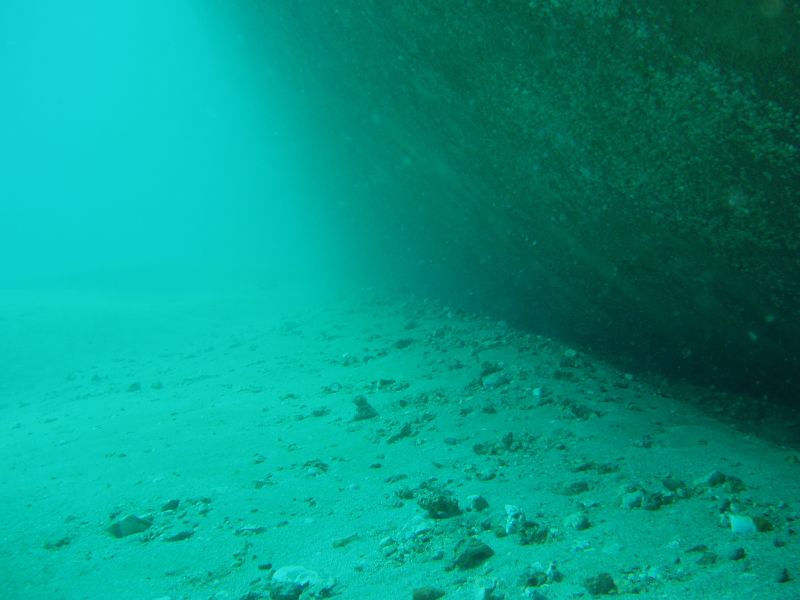
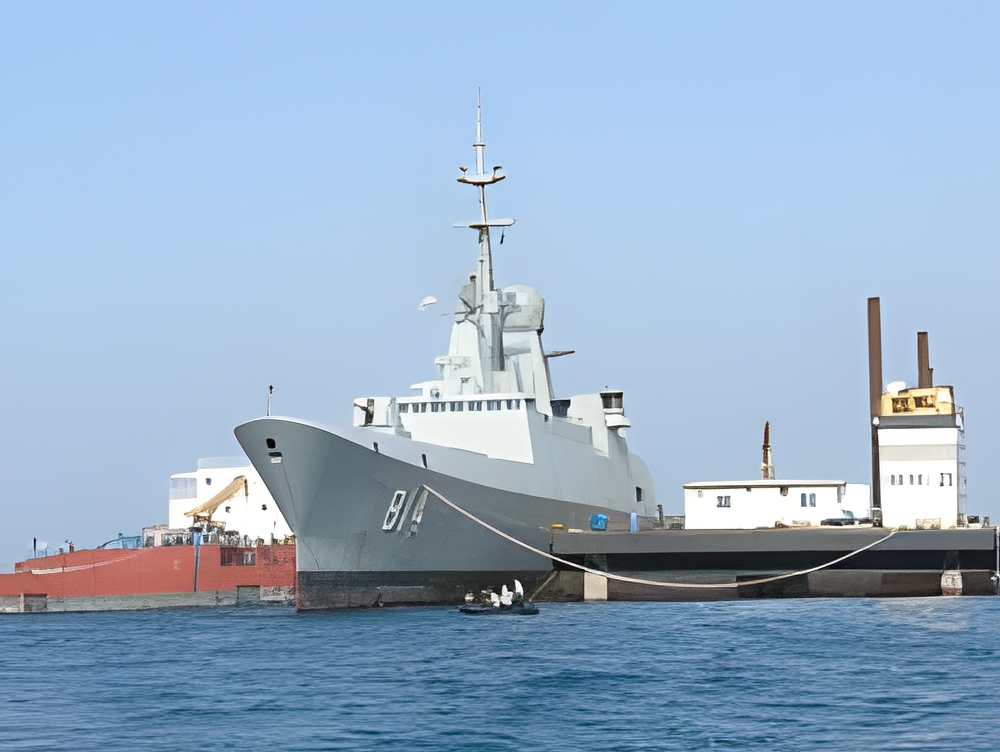
TSAVLIRIS completed refloating of a frigate "HMS MAKKAH" , which ran aground on a reef in the Red Sea (about 80 miles north of Jeddah) just prior to Christmas. The delicate operation to free a state-of-the-art warship bristling with expensive electronics took more than two months, utilizing over 700 salvage personnel.
For the operation, Tsavliris was subcontracted by Huta Sete Marine, and undertook planning, management and supervision of the entire salvage operation. The multipurpose anti-air warfare frigate, newly built in 2004, was heavily aground with bottom contact in the mid-ships area over a length of 15-20 meters. The vessel's hull was breached during grounding with an estimated loss of some 1,400 tonnes of buoyancy.
Conventional approaches to refloating stranded merchant ships could not be applied in this project and using cranes to lift the vessel was excluded because of the warship's structural profile and sophisticated onboard equipment. Tsavliris' alternative salvage plan was based on providing additional buoyancy to enable refloating to take place without further damaging the vessel.
Initially, preparations for the project included: patching and dewatering of the frigate's flooded forward engine room, underwater inspections, outfitting of barges with bollards and equipment for securing τhe slings etc.
Then, two barges – "SETE 21" , a submersible deck cargo barge, and "TAHLIA" – took part in the refloating attempts, gradually applying tension to the sling arrangement of 16 steel wire cables of 56mm diameter passed under the hull of the frigate. These had to be positioned according to load pressure analyses and forces were further controlled through load distribution plates in order to protect the vessel's hull. Deballasting of the barges in a controlled operation in theory could free the frigate, but it became evident that further buoyancy was required.
This was provided by attaching buoyancy pontoons to the bow and stern of each barge, as well as binding cylindrical tanks to the bow of the vessel. Eventually sufficient buoyancy was achieved to allow the Tsavliris-operated salvage tug "SB-408" to gently pull the frigate from the reef and tow it to Jeddah for redelivery.
TSAVLIRIS performed de-watering operations after the motor vessel "APOLLON" suffered engine-room flooding at Kynosoura.
The 22.500 dwt bulk carrier "ATLANTIS CHARM", while on a laden voyage with fertilizers from Estonia and Latvia to Mexico, was immobilized due to main engine failure at approximately 680 miles NW of Cape Verde islands. Engaged under a Lloyd's Open Form contract, TSAVLIRIS immediately dispatched S/T "LEOPARD", which arrived at the casualty site on October 31.
The vessel was safely delivered to Las Palmas on November 9.
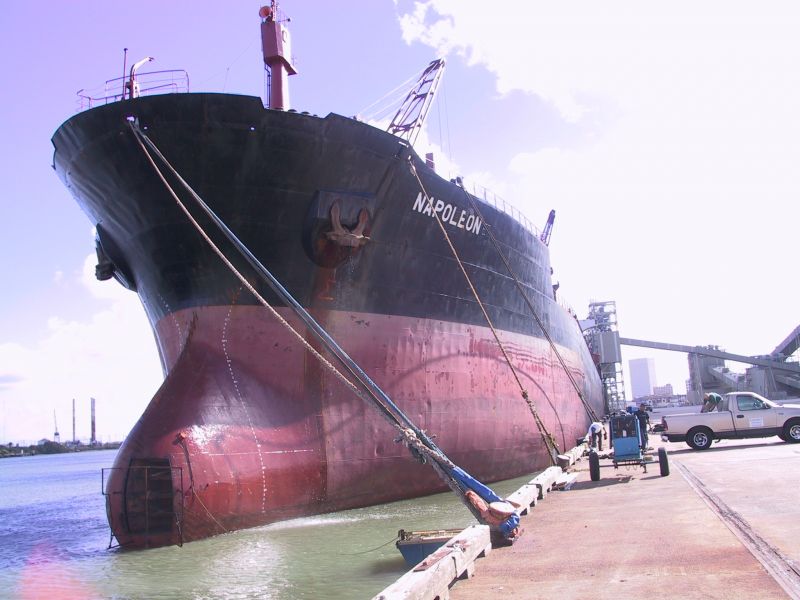
The 43.500 dwt bulk "NAPOLEON", outbound from Houston Channel to Galveston, reported a steering problem and grounded after a collision with one tug and four barges. Tug "JONATHAN THOMAS" with one of the four barges- tank barge "KIRBY 10378" - suffered damages, but no leakage was reported.
On October 12, TSAVLIRIS signed an LOF agreement with the vessels' owners, and a refloating attempt with the assistance of four subcontracted tugs was in progress. "NAPOLEON" was successfully refloated on the same day and was towed to Bolivar Roads Anchorage for damage inspections. Preliminary underwater survey showed bulbous bow damage; no steering problem was found.
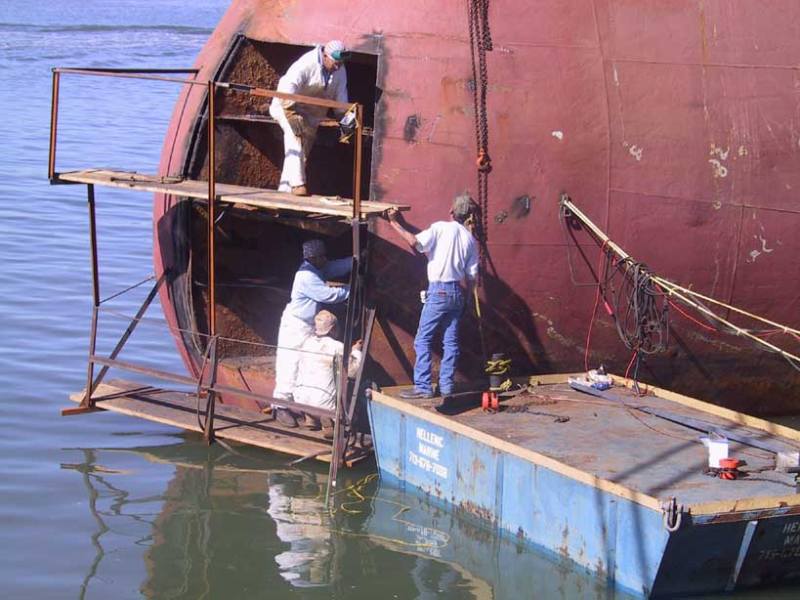
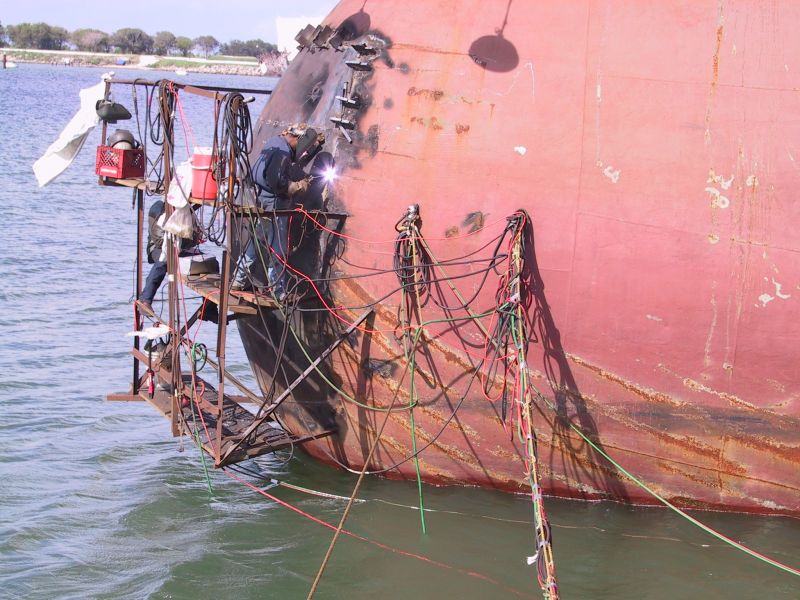
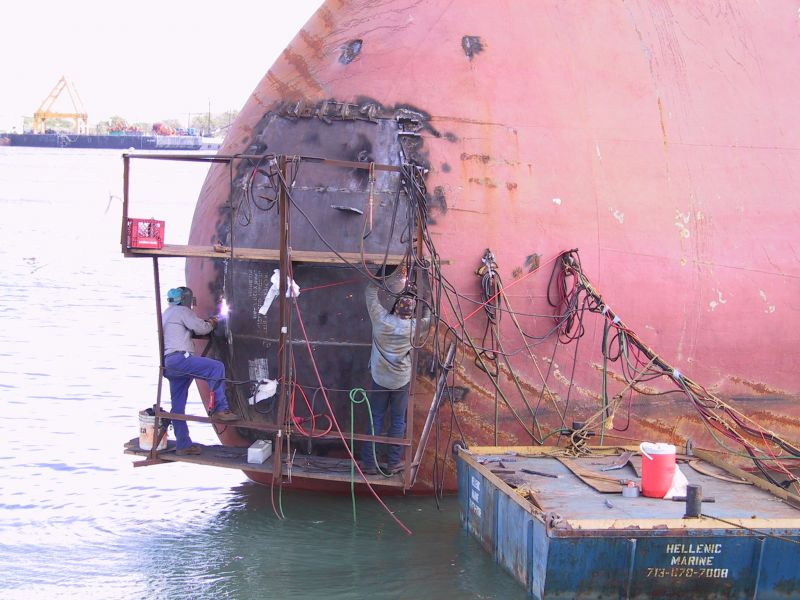
"NAPOLEON" was then towed and berthed to Galveston Port, where repairs to the bulbous bow as well as to the starboard bow were performed; A rolled plate was fabricated and installed into the cut-out on the bulbous bow. On October 23, repairs were completed and the vessel sailed out to the Galveston outer anchorage for a diving inspection of the hull by the Class surveyor, where no serious damages were found. Salvage services completed successfully with a safe delivery certificate on the same day.
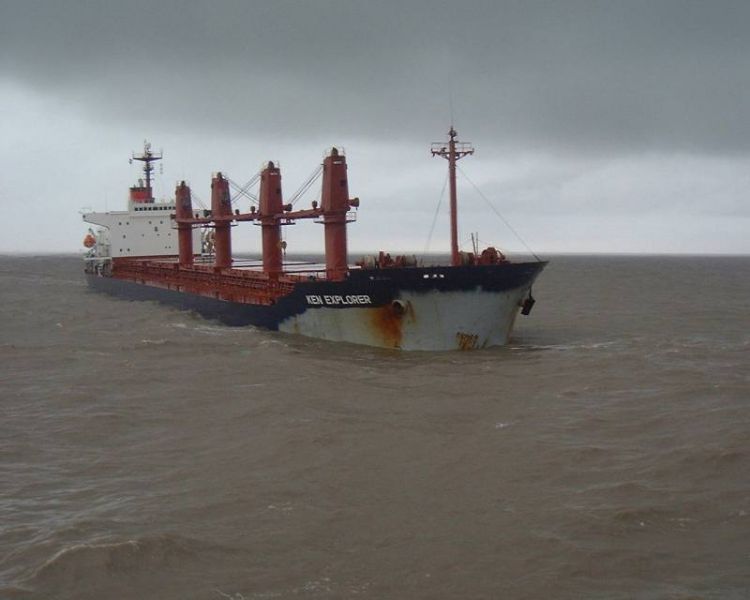
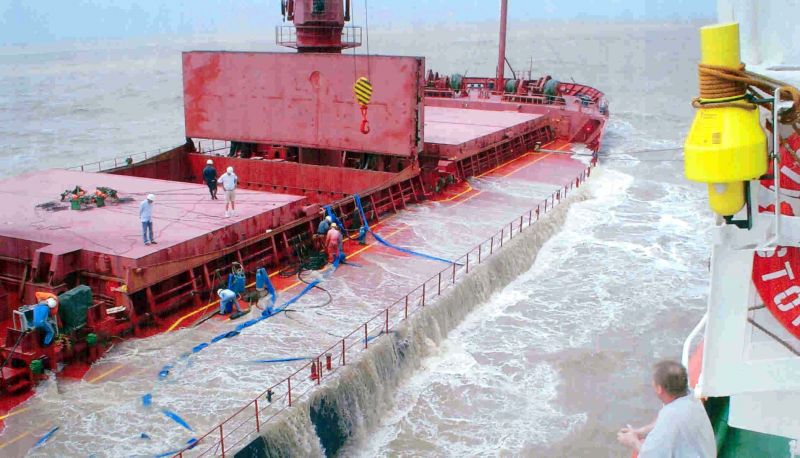
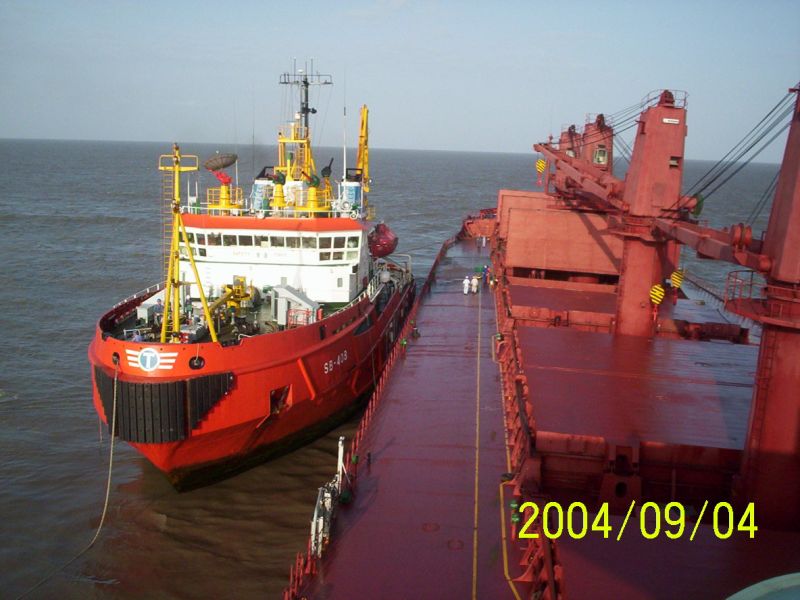
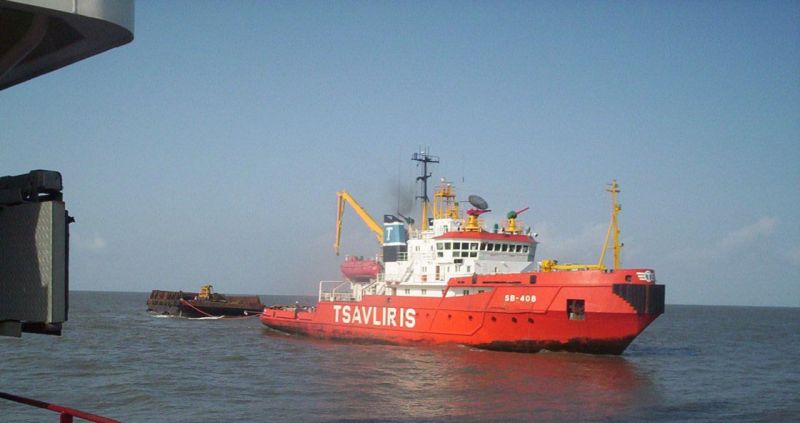
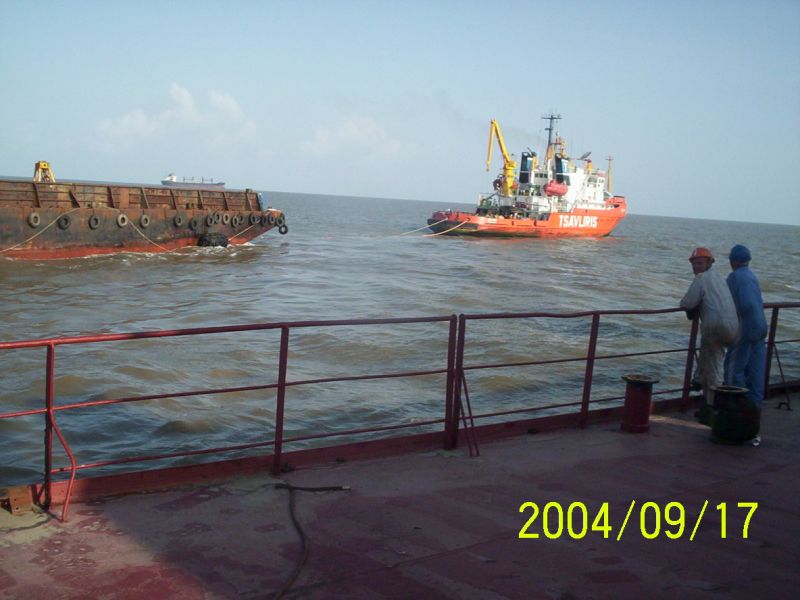
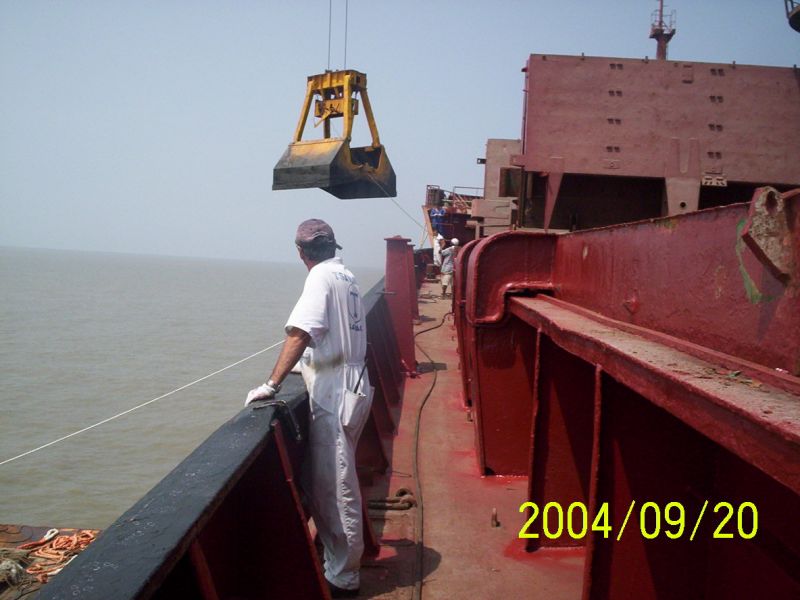
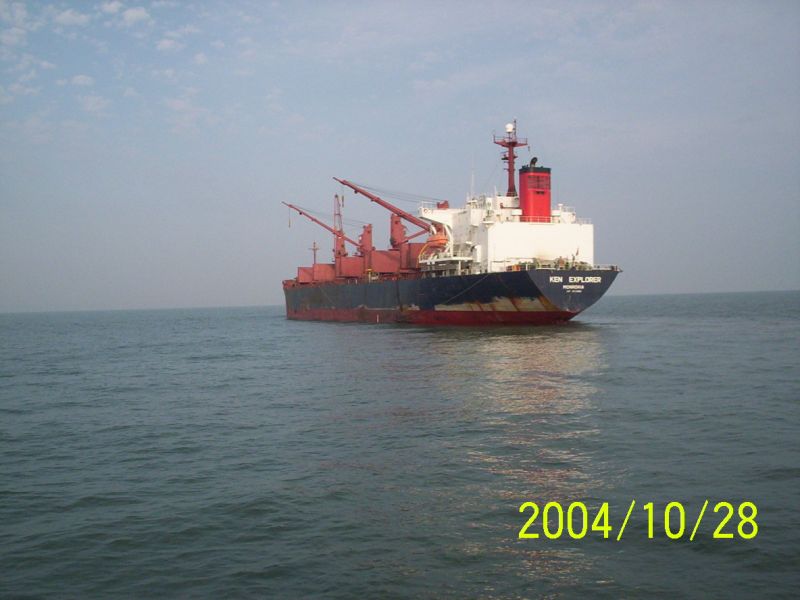
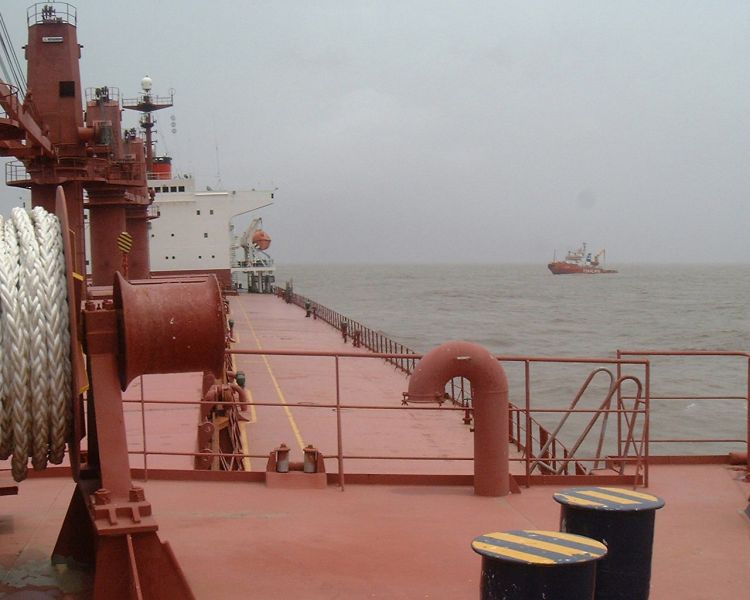
Engaged under a Lloyd's Open Form contract, TSAVLIRIS has been assisting the handysized bulker "KEN EXPLORER" since mid-August when the vessel grounded in the Gulf of Khambat while on a voyage from Chile to the Indian ports Dahej and Tuticorin. Two salvage tugs, "FAIRPLAY IX" and the TSAVLIRIS operated "SB-408", were mobilized from Colombo to aid the casualty. Initial attempts to refloat the "KEN EXPLORER" proved unsuccessful, as the vessel remained hard aground, with severe damage sustained during the incident, including flooded of the double bottoms on starboard side and centre as well as four flooded cargo holds. By this stage the enormity of the salvage challenge was clear as the casualty site was exposed to the monsoon season and the nature of the cargo posed additional problems to be overcome.
The vessel was loaded with more than 43,800 tonnes of copper concentrates, a commodity that is liquefiable if its moisture content rises sufficiently and potentially destabilizing to a ship where seawater enters the cargo spaces. Deploying a bunker vessel engaged from the United Arab Emirates, TSAVLIRIS successfully removed all bunkers and oil waters aboard the bulker, including approximately 1,100 tonnes of heavy fuel oil. In addition two lightering vessels were hired, only for them to refuse to participate in the operation on the grounds of high risk from uncharted shallows, bad weather and the persistent threat posed by the cargo, which is capable of turning to slurry and causing a vessel to list sharply.
In spite of continuing interruptions from bad weather and strong local tides that made it difficult for barges to remain alongside, two further vessels - the 24,000 dwt "PATARA" and the 16,000 dwt "SHENG MU" - were brought in to act as storage vessels, while a tug/barge combination and a self-propelled barge acted as feeder vessels to transfer cargo.
In addition to the flotilla of equipment assembled for the intensive services to the stricken bulker, a large team of personnel was gathered, including three salvage masters, two salvage engineers, a salvage officer, two salvage divers, 24 crewmen for stevedoring and operation of equipment, and the tug crews. Indicative of the conditions confronted by the team, considerable material damage was suffered during the provision of services.
Due to the weather and swell conditions, fenders and mooring ropes frequently broke and in one instance the parting of mooring lines resulted in a serious injury to one of the stevedores, requiring an operation on both legs. On account of corrosion from the high acidity content of the mixture of water and cargo more than 20 pumps had to be replaced in the course of the operation. After the removal of 21,000 tonnes of cargo, the casualty was successfully refloated and towed to deep waters where she was anchored for the continuation of the operation. Τhe vessel was then towed to Kadla, where underwater patching was performed and eventually, to Jebel Ali , U.A.E. for the discharging of the rest of the cargo.
The bulk carrier "OLYMPIC GALAXY", on the way to delivering a cargo of 61.000 tonnes of wheat from Australia, grounded in Sri Lanka on July 10. TSAVLIRIS tug "SB-408", a sub-contacted tug Mahanuwara and a smaller bunker were mobilized to assist the casualty.
The vessel was refloated and safely delivered to Triconmalee Roads, after a lightening operation where approximately 4300 tonnes of cargo was removed.